How Fintech Is Powering A New Horse Racing Generation
Jan 30, 2026, 12:00pm


Horse racing is an age-old sport that has always been tied to traditions. That’s why it is unusual to see a modern transformation of the sport, but it was something that was necessary. It’s no secret that horse racing as a sport has been losing its fan base.
Think about it, most die-hard fans are people born in the 70s, 80s, and 90s, who are used to going to the racetrack. So, how would a traditional sport win the hearts of the younger generation? Well, through modernization, which is why fintech might be the perfect answer.
Horse racing got younger in the past couple of years, all because the sport opened up to tech innovations. The biggest change comes with money: how it moves, how fast it moves, and how invisible it’s become.
So, fintech crept into racing quietly, and now it’s everywhere. Let’s dive deeper and explore how fintech might be writing the future of horse racing today.
From Cash to Apps
Not long ago, getting involved in horse racing meant showing up at the racetrack in person. You stood in line, handed cash to make a bet, and watched the race. This limited the sport’s potential. Places where there were no horse racing events were falling behind because horse racing fans there didn’t have a way to place a bet remotely.
Fintech wiped out most of that friction and made horse racing a global sport. Nowadays, we have mobile wagering apps like TwinSpires.com, which not only give you an option to bet on most major horse races but also give you insights, predictions, and betting tips. So, instead of going to an actual horse race, you can place a bet on any horse race with just a few taps.
Betting is a big part of the sport’s popularity, and digitalizing the process (people being able to place bets remotely) totally changed the sport.
So, platforms like these didn’t just make racing digital. They made it familiar, and there is a big difference. When something feels familiar, people try it. When they try it, they stick around, which means that the horse racing fanbase has been growing ever since this digital transformation started happening.
Payments That Don’t Feel Like Payments
Yes, the betting part of the sport might have gotten the biggest overhaul, but the biggest shift isn’t how people bet. It’s how money moves behind the scenes.
Younger people expect instant deposits, instant withdrawals, no paperwork, and no waiting days to get paid. Fintech delivers those expectations without anyone noticing.
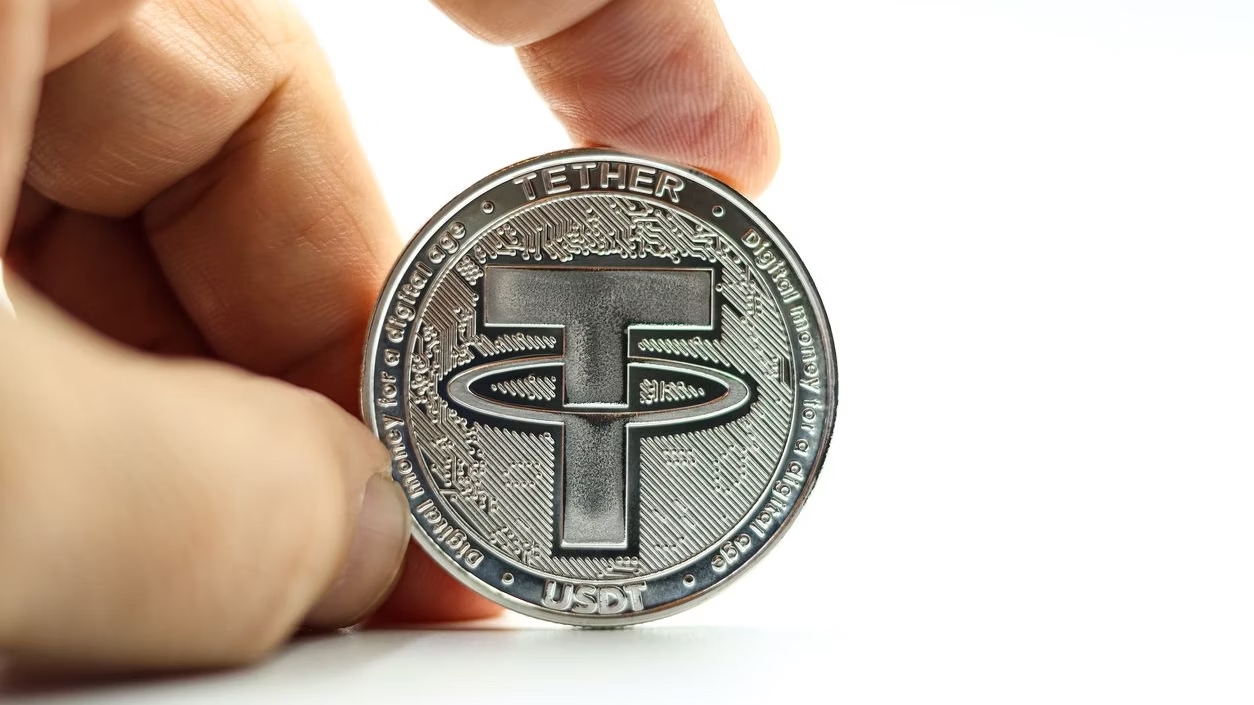
We now have digital wallets, instant bank transfers, and even cryptocurrencies that make betting more accessible and convenient. Making it easy is the best way to make horse racing popular for the younger generation, who are responsible for taking the sport into the future.
Thanks to fintech advancements, we can now place horse racing bets in multiple currencies, buy racehorse fractional shares, and get our winnings even if we are thousands of miles away from the actual race.
Micro-Bets, Smaller Stakes, Lower Pressure
Another way fintech changed the horse racing betting industry is by allowing frictionless micro payments. You don’t have to make a complex wager or bet big just because you won’t get another chance to go to a racetrack. Nowadays, betting happens every day, and you can easily bet as low as five dollars or less while waiting for coffee.
These small wagers changed the way people see horse race betting. It lowered emotional risk, which is where younger fans flooded the industry.
Most of them don’t know much about the sport, so they get a chance to test things out, learn, and watch how the odds move without risking a lot of money.
Data, Stats, and the Gamer Mindset
Horse racing has always been a sport full of data. You have to deal with speed figures, pace scenarios, trainer patterns, and more. The problem was access. That information lived in printed programs, and usually, people only in the racehorse industry got access to it.
Fintech-driven platforms surfaced the data directly inside the betting experience. This made betting more informative, easier to understand, and easier to predict, and even though fintech doesn’t have anything to do with data, we are still talking about platforms powered by advanced financial technology.
Fintech didn’t invent racing data. It just made it usable.
Trust, Transparency, and Regulation
Lastly, we have to talk about trust, but not in a way that horse racing has been an untrustworthy sport. Younger users nowadays are extremely cautious. They’ve grown up seeing financial scams, shady apps, and many broken promises.
So, before they deposit some money, they want to see some trust signals. Without a proper fintech setup, all of this is gone. Fintech platforms nowadays prioritize security and transparency.
There are clear transaction histories, account limits, responsible gambling tools, and everything is designed in a way to help bettors make better choices.
So, when a financial layer feels legit, users are more willing to explore racing deeper.
Final Thoughts
Even though fintech operates in the background and hardly anybody notices such technology, it has become vital for a sport like horse racing. This technology is now in charge of the future of the sport and even impacts the image that people have about it.
In the future, we expect even more fintech advancements in horse racing, which is expected since this technology gave horse racing a second life.